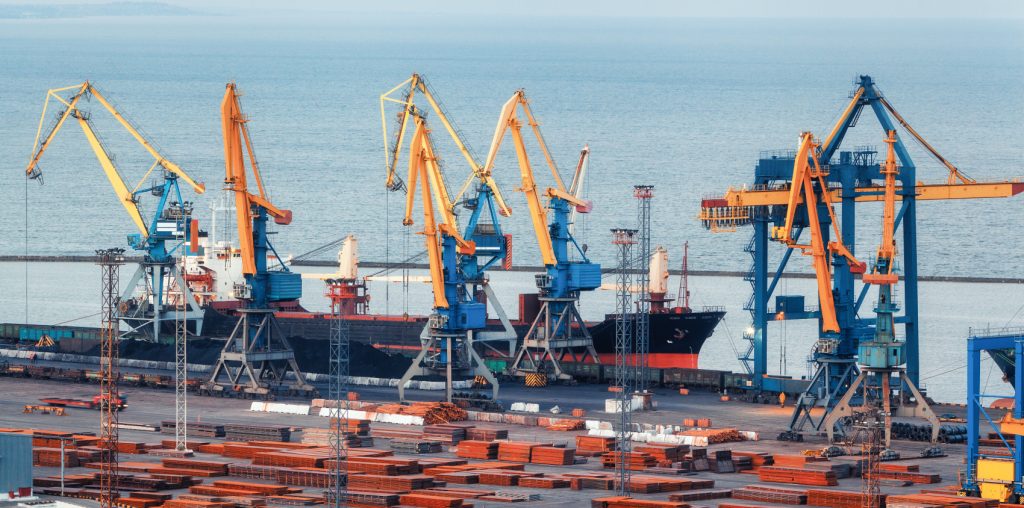
The trade relationship between the United States and China has once again come under pressure — this time through mutual port surcharges. As both countries impose additional handling and congestion fees at key terminals, the global shipping market is responding with higher freight rates and tighter capacity.
For shippers, forwarders, and importers, this development adds a new layer of cost to already complex international logistics planning.
1. What Are Port Surcharges?
Port surcharges refer to extra fees charged at ports to cover congestion, customs delays, or political and trade-related risks. In this case, both China and the United States have introduced reciprocal port handling fees, applied to inbound and outbound containers at major ports such as:
Shanghai, Ningbo, and Shenzhen in China
Los Angeles, Long Beach, and New York in the US
These surcharges are being justified as “reciprocal measures” in response to ongoing trade and tariff adjustments.
Asia–Europe routes indirectly affected by vessel reallocation
Freight index data shows an average 12–18% increase in container shipping costs within the first two weeks after the fee introduction. Smaller forwarders and SMEs are especially feeling the strain, as carriers are passing down these surcharges directly to customers under “Port Congestion Adjustment (PCA)” or “Emergency Surcharge (EBS)” labels.
3. How Exporters and Importers Are Responding
Exporters in China are now facing revised quotations from shipping lines and forwarders. Some are choosing to:
Consolidate shipments (LCL) to control per-unit cost
Delay non-essential exports until the situation stabilizes
Switch to alternate ports, such as Qingdao or Xiamen, to avoid congestion
On the US side, importers are renegotiating annual freight contracts, seeking DAP or DDP Incoterm agreements to shift cost responsibilities to sellers where possible.
4. Container Freight Rates Surge on All Major Routes
The container shipping segment has also joined the rally. Carriers have introduced General Rate Increases (GRIs) and increased blank sailings to control capacity, pushing spot freight rates sharply upward.
According to the Shanghai Containerized Freight Index (SCFI):
US West Coast rates jumped 31.9%
US East Coast rates rose 16.4%
Europe routes advanced 7.2%
This synchronized rise across trade lanes reflects both carrier discipline and market reaction to higher operational costs caused by port surcharges and rerouted tonnage.
5. Broader Implications for Global Trade
This new round of surcharges signals renewed tension in global trade logistics. While the surcharges themselves may seem temporary, their ripple effect is significant:
Freight rate volatility could persist through Q4 2025
Carrier alliances may adjust schedules and capacity allocations
Port congestion in secondary hubs is expected to rise
For global shippers, this emphasizes the need for agile logistics strategies and closer coordination with freight forwarders.
6. How BRF Logistics Can Help
At BRF Logistics, we specialize in providing cost-effective freight forwarding solutions from China to the US, Europe, and Australia. Our experts monitor port surcharge updates, customs policies, and carrier surcharges daily — ensuring that clients receive the most stable and transparent shipping quotes available.
Our services include:
Door-to-door and DDP shipping from China
Real-time freight rate monitoring
Multi-port route optimization
Customs clearance and delivery tracking
Conclusion
The US-China port surcharge measures mark another turning point in global logistics. While the additional fees have pushed freight rates upward, proactive supply chain management and reliable forwarding partners can help businesses stay competitive and resilient.