LCL Consolidation
For commercial cargo that does not fill a container. Compatible goods can be prepared for shared-container transport.
View LCL shipping from China →
Send products from different Chinese factories to one coordinated warehouse point, prepare them for export, and move them as one planned commercial shipment.
China freight consolidation brings cargo from several suppliers into a coordinated China shipping warehouse. Once the goods are received and the shipping requirements are compatible, they can be combined for a single export movement by sea, air or door-to-door service.
This B2B China consolidation service is designed for commercial importers—not personal shopping or single-parcel forwarding. It can simplify supplier coordination, reduce repeated origin operations and give the importer a clearer view of the total shipment before export.

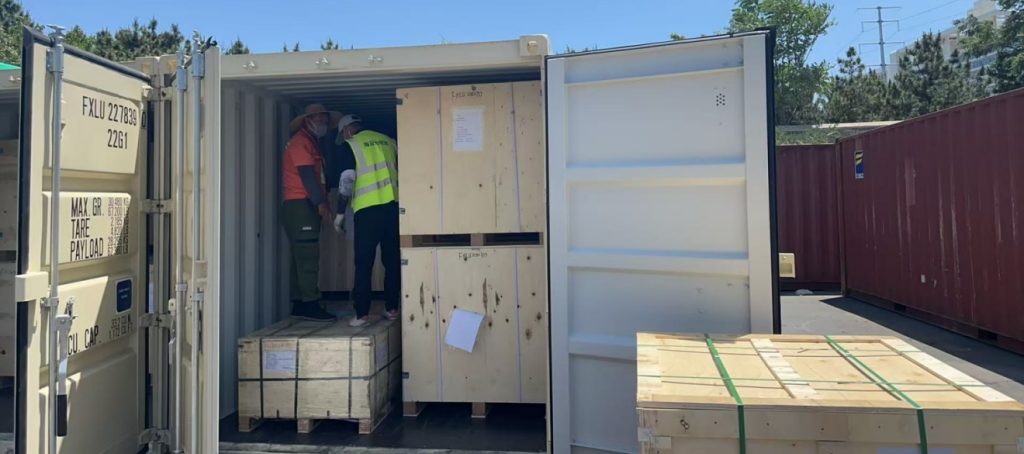

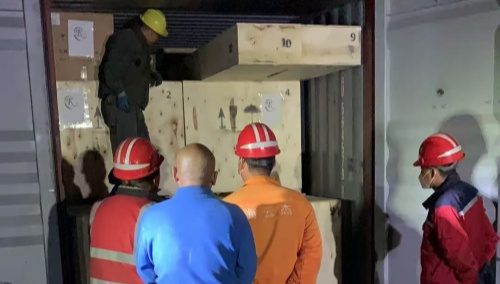
BRF coordinates the receiving schedule and shipment plan so you can consolidate goods from multiple suppliers without asking every factory to manage international freight.
Standard warehouse receiving provides practical shipping records and observations. It is not a substitute for product testing or a formal pre-shipment quality inspection.
| Warehouse Receiving Check | What It Records | What It Does Not Confirm |
|---|---|---|
| Package count | Number of cartons, cases, pallets or other outer packages received | Quantity of individual units inside sealed packages |
| External packaging condition | Visible dents, tears, moisture marks or other apparent outer damage | Product condition, function or workmanship inside |
| Shipping marks | Marks and references visible on the outer packaging | Accuracy of product labels or regulatory compliance |
| Gross weight and dimensions | Measured shipping weight and external package size | Supplier product specifications or net unit weight |
| Cargo photos | Images of received external packages where arranged | A sampling report, laboratory test or conformity decision |
| Supplier delivery records | Arrival source, date and related receiving references | Commercial acceptance of the goods |
The right sea freight structure depends on total cubic volume, weight, cargo type, destination and how much control you need over container loading.
For commercial cargo that does not fill a container. Compatible goods can be prepared for shared-container transport.
View LCL shipping from China →
Multiple supplier orders are received and organized for one buyer under a coordinated export shipment, subject to document and cargo compatibility.
See consolidation services →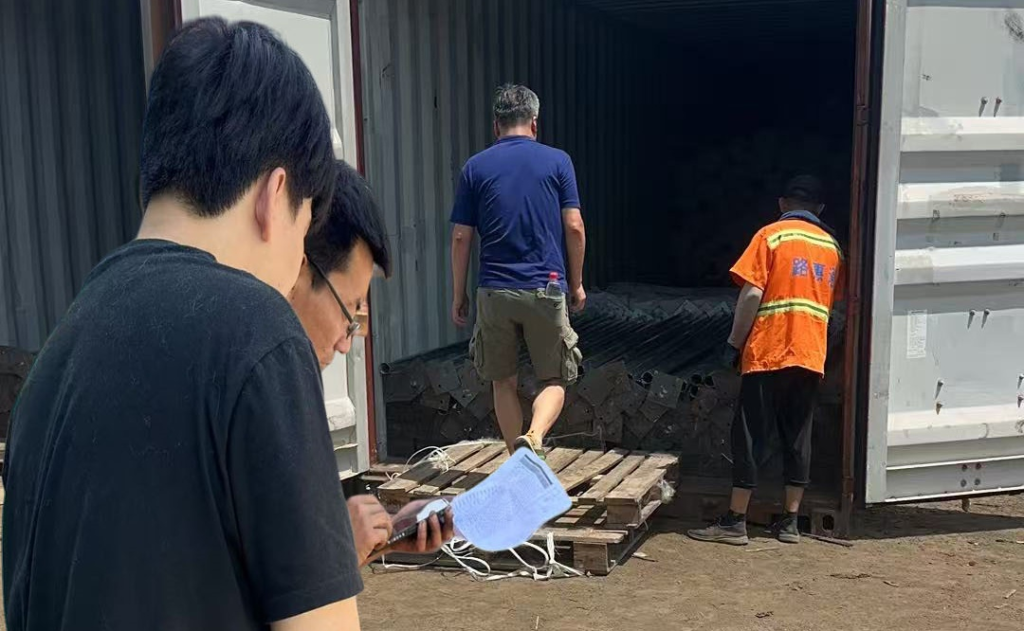
Goods from several factories can be assembled for a 20GP, 40GP or 40HQ container, with loading planned around cargo dimensions and handling needs.
View FCL shipping from China →Air freight consolidation can be suitable when several small commercial orders need to travel together and delivery speed matters more than the lowest possible freight cost.
Provide accurate product names, quantities, values, package dimensions and gross weights. Batteries, liquids, powders, magnets, chemicals and other restricted attributes must be declared before routing is confirmed.
Chargeable weight, airline acceptance and destination rules can affect the final plan.

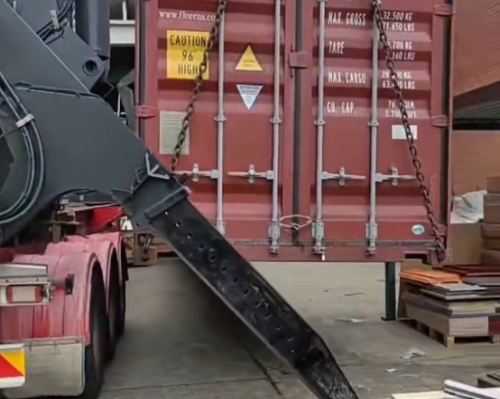

Domestic factory packaging may not be suitable for international handling. Preparation is quoted according to the cargo and route.
Wood packaging used in international trade may need applicable treatment and marking. Requirements should be confirmed for the destination before packing.

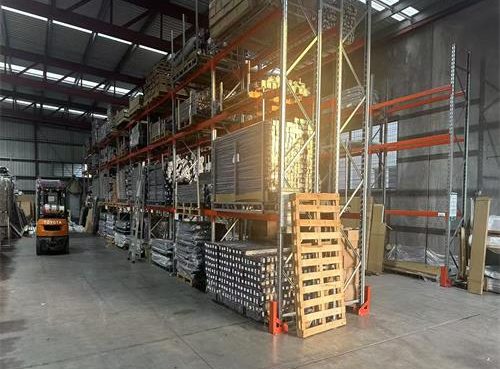

Combining shipments from China is useful only when the products can safely, legally and practically move under the same plan.
There is no reliable flat price for commercial cargo consolidation. BRF builds a quote from the actual receiving, handling, export and transport requirements.
Yes. BRF can coordinate supplier pickup in China or provide receiving information so suppliers can deliver cargo to the designated warehouse. Share every pickup address, contact, ready date and cargo detail for planning.
Storage periods and charges depend on the warehouse, cargo volume, season and shipment plan. Confirm the expected arrival schedule in advance so BRF can quote the applicable storage arrangement.
Standard receiving can record packages, external packaging condition, marks, weight, dimensions, photos and delivery information. Formal product quality inspection, quantity checking inside cartons or functional testing must be arranged separately with an appropriate third-party inspector.
Often they can, provided the cargo is compatible and the goods meet transport, customs, safety and documentation requirements. Dangerous goods, contamination risks, special-temperature cargo and certain regulated products may need separate handling.
Yes, when the supplier orders can be combined under a compliant shipping and customs plan. BRF can coordinate receiving, cargo preparation, export documentation and international freight.
LCL is often practical when the total cargo does not fill a container. FCL may provide better control for larger volumes or cargo needing a dedicated container. The best option depends on CBM, weight, product type, route, timing and destination costs.
Include supplier locations, cargo descriptions, package details, ready dates and the final delivery address for a practical shipment plan.