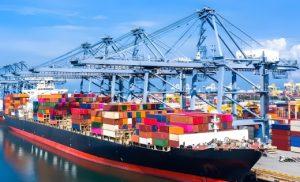
Sea freight between China and Australia is one of the busiest trade corridors in the Asia-Pacific region. From consumer goods and machinery to raw materials and e-commerce cargo, ocean shipping remains the most cost-effective method for large-volume transport.
Whether you’re an importer, Amazon seller, wholesaler, or project cargo buyer, understanding Australia’s port system and the main shipping lanes from China helps you avoid delays and reduce logistics costs.
Understanding Sea Freight China to Australia: The Basics
Sea freight from China to Australia typically involves containerized cargo loaded at major Chinese export ports and transported via established maritime routes to Australia’s primary container hubs.
Transit times generally range from:
- 10–16 days to East Coast ports (Sydney, Melbourne, Brisbane)
- 12–18 days to West Coast ports (Perth/Fremantle)
- Slightly longer during peak seasons or congestion periods
Major Container Ports in Australia
Australia’s port system is highly developed and strategically positioned for Asia-Pacific trade.
1. Port of Melbourne(China – Melbourne)

- Australia’s largest container port
- Handles over one-third of the country’s container trade
- Primary gateway for Victoria and southern Australia
- Ideal for consumer goods, retail imports, and FCL shipments
Paling cocok untuk: General cargo, FMCG, industrial equipment
2. Port of Sydney (China-Port Botany)

- Main container port for New South Wales
- Strong e-commerce and retail distribution network
- Advanced customs and biosecurity processing
Paling cocok untuk: E-commerce shipments and LCL cargo
3. Port of Brisbane
- Key hub for Queensland imports
- Growing importance in agricultural and industrial cargo
- Efficient inland rail connections
Paling cocok untuk: Project cargo, industrial machinery
4. Port of Fremantle
- Western Australia’s primary container port
- Strategic location for direct services from South China
- Lower congestion compared to East Coast ports
Paling cocok untuk: Mining equipment, heavy cargo
Main Shipping Routes: China to Australia
China–Australia sea freight routes are among the most stable and frequently serviced in the region.
Major Chinese Export Ports
- Pelabuhan Shanghai
- Pelabuhan Shenzhen
- Pelabuhan Ningbo-Zhoushan
- Pelabuhan Qingdao
Typical Route
South China Sea → Strait of Malacca → Indian Ocean → Direct to Australian East or West Coast.
Some services are direct; others may transship via Singapore or Malaysia.
FCL vs. LCL: Shipping Options to Australia
FCL (Pengiriman Kontainer Penuh)
- Best for large shipments (15+ CBM)
- Lower cost per unit
- Faster clearance and reduced handling risk
- Ideal for Amazon FBA, retail restocking, bulk importers
LCL (Muatan Kurang dari Satu Kontainer)
- Ideal for small or trial shipments
- Flexible volume options
- Slightly longer transit due to consolidation/deconsolidation
Choosing the right mode depends on cargo volume, urgency, and budget.
Customs Clearance in Australia
Australia has strict biosecurity and customs regulations managed by the Australian Border Force (ABF).
Key documentation includes:
- Faktur Komersial
- Daftar Barang yang Dibawa
- Surat Muatan
- Deklarasi Impor
- Fumigation certificate (if required for wooden packaging)
Incorrect documentation can lead to quarantine delays or inspection fees. Working with an experienced freight forwarder significantly reduces these risks.
BRF Logistics: China–Australia Shipping Expertise
BRF Logistics has extensive experience managing sea freight from China to Australia, offering:
✔ Competitive Freight Contracts
Long-term partnerships with major carriers allow stable pricing even during peak seasons.
✔ Strong Port Network Coverage
Pengiriman rutin ke:
- Melbourne
- Sydney
- Brisbane
- Perth
✔ FBA & E-commerce Expertise
BRF handles:
- Labeling
- Palletizing
- Carton compliance
- Appointment booking with fulfillment centers
✔ Project & Oversized Cargo Handling
Specialized solutions for:
- Alat berat
- Peralatan pertambangan
- Industrial projects
BRF Overseas Warehousing in Australia
One of BRF Logistics’ key advantages on the China–Australia route is its integrated overseas warehouse support.
Strategic Warehouse Locations
BRF operates and partners with warehouses near:
- Melbourne logistics zones
- Sydney distribution hubs
- Brisbane industrial areas
Overseas Warehouse Services Include:
1. Container Unloading & Storage
- Short-term and long-term storage
- Inventory management systems
- Real-time stock tracking
2. E-commerce Fulfillment
- Pick & pack
- Order processing
- Last-mile delivery coordination
3. FBA Preparation
- Re-labeling
- Carton resizing
- Pallet rebuilding
- Compliance checks
4. Transshipment & Redistribution
- Break bulk for multi-city distribution
- Cross-docking solutions
- B2B and B2C distribution
This allows importers to ship full containers from China, store inventory locally, and release goods gradually—improving cash flow and reducing final-mile costs.
Why Choose Sea Freight China to Australia?
Sea freight remains the most cost-effective method for:
- Bulk consumer goods
- Peralatan industri
- Retail restocking
- Amazon and e-commerce inventory
It offers:
- Lower per-unit costs
- Large shipment flexibility
- Reduced carbon footprint compared to air freight
- Reliable scheduled services
With the right logistics partner, transit times are predictable and costs are manageable.
Kesimpulan Akhir
The China–Australia trade corridor continues to grow, driven by retail demand, industrial imports, and cross-border e-commerce.
Understanding:
- Australia’s major ports
- Main shipping routes
- FCL vs LCL options
- Customs compliance requirements
—gives you a clear edge in planning your supply chain.
With BRF Logistics’ experience in ocean freight, customs handling, and overseas warehouse operations, businesses can move cargo from China to Australia efficiently, safely, and cost-effectively.