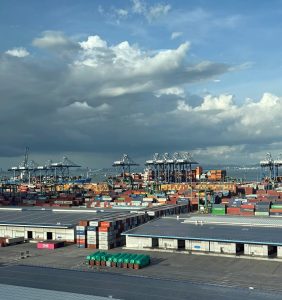
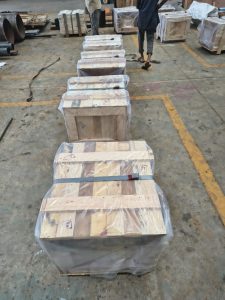
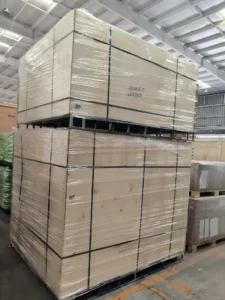
Sea freight from China to the USA remains the most cost-effective and scalable shipping solution for businesses moving goods across the Pacific. While air freight offers speed, its high costs can quickly erode profit margins. For importers shipping anything beyond small parcels, ocean freight is often the only sustainable option.
However, understanding how to use sea freight efficiently—without unexpected delays, hidden costs, or operational headaches—can feel overwhelming. Balancing cost, transit time, and reliability is a common challenge faced by importers, e-commerce brands, wholesalers, and manufacturers sourcing from China.

You are not alone. Thousands of businesses face the same questions every day:
How long will my shipment take?
Should I choose FCL or LCL?
What factors affect sea freight rates?
In this comprehensive guide, BRF breaks down everything you need to know about sea freight from China to the USA. From shipping methods and transit times to cost structures and strategic planning, this guide is designed to help you make informed, cost-effective shipping decisions with confidence.
Key Points at a Glance
- Sea freight is the most economical shipping method for China–USA trade, especially for large or heavy shipments
- FCL and LCL options provide flexibility based on shipment volume
- Transit times typically range from 15–30 days to the US West Coast and 30–45 days to the East Coast
- Freight rates fluctuate due to demand, fuel costs, port selection, and carrier adjustments
- A professional freight forwarder like BRF simplifies the process and reduces risk
Why Choose Sea Shipping from China to USA?
When comparing shipping methods, air freight is undoubtedly faster—but speed comes at a significant price. For most commercial shipments, sea freight offers a far better balance between cost and reliability.
The foundation of sea freight’s cost advantage lies in scale. Modern container vessels can carry more than 20,000 TEUs (twenty-foot equivalent units) on a single voyage. This massive capacity creates economies of scale that dramatically reduce the cost per unit, making ocean freight the backbone of global trade.
Key Advantages of Sea Freight
Efisiensi Biaya
Sea freight provides the lowest transportation cost per cubic meter or per ton, making it ideal for bulk shipments and large volumes.
Capacity for Bulk and Heavy Cargo
From consumer goods and furniture to machinery and industrial materials, ocean shipping handles cargo that air freight simply cannot.
Pilihan Pengiriman yang Fleksibel
With Full Container Load (FCL) and Less than Container Load (LCL) services, businesses can tailor shipping solutions to their exact needs.
Environmental Benefits
Compared to air freight, sea freight has a significantly lower carbon footprint per ton-mile, supporting more sustainable supply chains.
Safety and Reliability
The ocean freight industry is mature and highly regulated, with standardized procedures, containerized cargo, and advanced tracking systems ensuring secure transport.
Understanding the Ocean Freight China to USA Process
Shipping goods from China to the USA may seem complex, but the process follows a clear and structured flow. As your freight forwarder, BRF coordinates and manages every step while keeping you informed throughout the journey.
1. Booking and Cargo Pickup
The process begins with a shipping quote and booking. BRF coordinates directly with your supplier in China to arrange cargo pickup from the factory or warehouse.
2. Export Procedures and Port of Origin
Your goods are transported to a major Chinese port such as Shanghai, Ningbo, Shenzhen, or Qingdao.
- FCL cargo is loaded into a dedicated container
- LCL cargo is consolidated with other shipments
BRF handles export customs clearance and documentation to ensure smooth departure.
3. Ocean Voyage
The container ship sails across the Pacific Ocean toward the designated US port. During transit, shipment tracking and estimated arrival updates are provided.
4. Port of Destination and Import Clearance
Upon arrival at ports such as Los Angeles, Long Beach, New York, or Savannah, the cargo is unloaded and cleared through US Customs. BRF’s experienced customs partners ensure duties, taxes, and compliance requirements are properly handled.
5. Final Delivery
After clearance, cargo is transported by truck or rail to its final destination—whether a warehouse, distribution center, Amazon FBA facility, or retail location.
FCL vs. LCL: Which Layanan Pengiriman Laut Is Right for You?
Choosing between FCL and LCL is one of the most important decisions when shipping from China to the USA. This choice affects cost, transit time, and cargo security.
FCL (Full Container Load) Shipping
FCL means your cargo occupies an entire container exclusively.
Paling cocok untuk:
- Shipments over 15 CBM
- High-value or fragile goods
- Businesses seeking faster transit and enhanced security
Keunggulan:
- Faster shipping due to no consolidation or deconsolidation
- Reduced risk of damage or loss
- Flat container rate regardless of how full the container is
LCL (Less than Container Load) Shipping
LCL allows multiple shippers to share one container, paying only for the space used.
Paling cocok untuk:
- Smaller shipments (typically 2–15 CBM)
- Startups or businesses testing new markets
Keunggulan:
- Lower upfront cost for small volumes
- Flexible shipping frequency
- Access to sea freight without filling a full container
Expert Insight from BRF:
The break-even point between LCL and FCL is usually around 13–15 CBM. In many cases, a 20ft FCL container can be more cost-effective and faster than a large LCL shipment.
Navigating Sea Freight Rates from China to USA
Sea freight rates are dynamic and influenced by global market conditions. Understanding what drives these fluctuations helps you plan budgets more accurately.
Key Factors Affecting Sea Freight Costs
- Supply and Demand: Peak season (August–November) typically drives rates higher
- Ports of Origin and Destination: Major ports often offer more competitive pricing
- Fuel Costs (BAF): Fluctuates with global oil prices
- General Rate Increases (GRIs): Announced periodically by carriers
- Incoterms: Shipping terms such as EXW or FOB determine cost responsibility
BRF provides transparent, all-inclusive quotations so you clearly understand your total landed cost—without hidden fees.
China to USA Sea Freight Transit Times
Sea freight prioritizes cost efficiency over speed, making accurate planning essential.
Typical Port-to-Port Transit Times
- China to US West Coast: 15–30 days
- China to US East Coast: 30–45 days (often via the Panama Canal)
Important Note:
These figures represent ocean transit only. Ground transportation, customs clearance, and final delivery typically add 1–2 additional weeks for door-to-door shipments.
Master Cost-Effective Sea Freight from China to USA
Sea freight from China to the USA remains the most reliable and economical shipping method for businesses moving goods at scale. By understanding shipping options, planning for realistic transit times, and working with a trusted freight forwarder, you can significantly reduce costs while maintaining supply chain stability.
With its expertise in China–USA logistics, BRF simplifies complex international shipping and helps businesses turn global sourcing into a competitive advantage.
Pertanyaan yang Sering Diajukan
Why is sea freight the most cost-effective option?
Because of economies of scale, container capacity, and low per-unit costs compared to air freight.
How do I choose between FCL and LCL?
Choose FCL for shipments over 15 CBM or when speed and security matter most; choose LCL for smaller volumes.
What affects transit times?
Destination port, routing, congestion, customs clearance, and inland transportation.