Recent developments in the global container shipping industry have drawn attention to operational changes affecting cargo flows through the Panama Canal region. According to a customer notice released by COSCO Shipping Lines and its subsidiary Orient Overseas Container Line, all operations at the Port of Balboa in Panama have been suspended starting March 10, 2026. This measure immediately halted all vessel calls, container handling, and port-related logistics services connected to the terminal.
For international traders, importers, exporters, and logistics providers, this sudden change has significant implications for cargo routing across Central America and the Panama Canal trade corridor.

Strategic Importance of the Port of Balboa
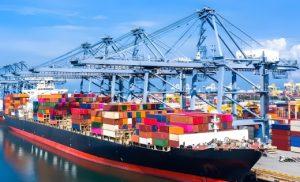
Located at the Pacific entrance of the Panama Canal near Panama City, the Port of Balboa is one of the most important container ports in Latin America. Operated by global terminal operators, the port serves as a crucial transshipment hub connecting Asia, North America, South America, and Central America.
The port’s advantages include:
- Direct access to the Panama Canal, enabling seamless cross-ocean shipping between the Pacific and Atlantic.
- High-capacity container terminals capable of handling large container vessels.
- Strategic transshipment role for cargo destined for Central America, the Caribbean, and northern South America.
- Connectivity with logistics zones, including distribution networks serving the region.
Many shipping lines use Balboa as a transfer hub, allowing containers arriving from Asia to be redistributed across Central American markets.
However, following the recent operational suspension, carriers have redirected cargo flows to alternative ports and terminals.
Operational Adjustments After the Suspension
After the suspension announcement by COSCO Shipping Lines and Orient Overseas Container Line, several immediate changes were implemented:
- No further container acceptance at Balboa
- All empty container returns redirected
- Previously confirmed bookings canceled
- Cargo already in transit subject to rerouting
Empty containers previously scheduled for return to Balboa must now be delivered to either:
- Manzanillo International Terminal
- Colon Container Terminal
Both facilities are located on the Atlantic side of the canal near the famous Colón Free Zone, one of the largest duty-free trade zones in the world.
For cargo destined for Panama’s domestic market or the Colón Free Zone, shipments are expected to be rerouted through these Atlantic terminals.
The Role of Mexico’s Lázaro Cárdenas as an Alternative Hub
Another key alternative emerging in the new logistics arrangement is the Port of Lázaro Cárdenas in Mexico.
Located on Mexico’s Pacific coast, Lázaro Cárdenas is one of the country’s largest and most modern container ports. Over the past decade, it has developed into a major gateway connecting Asia with the Americas.
Key advantages of the port include:
1. Deep-Water Infrastructure
The port is capable of accommodating ultra-large container vessels (ULCVs), making it suitable for major Asia–Americas trade lanes.
2. Modern Container Terminals
Advanced cargo-handling systems allow for high efficiency and reduced vessel turnaround time.
3. Intermodal Connectivity
Lázaro Cárdenas is connected to rail and highway networks that link to major markets in Mexico and the United States.
4. Emerging Transshipment Hub
With disruptions in other regional ports, the port is increasingly being used as a redistribution center for cargo bound for Central America.
As a result, containers originally scheduled for transshipment at Balboa and destined for Central American countries may now be rerouted through Lázaro Cárdenas for onward delivery.
Implications for Global Supply Chains
The suspension of operations at the Port of Balboa highlights how quickly logistik networks can be disrupted. For shippers relying on transshipment hubs, such operational changes can lead to:
- Schedule delays
- Port congestion at alternative hubs
- Higher transshipment costs
- Additional inland transportation requirements
Cargo already in transit may require revised routing plans, while shipments that have not yet been loaded may need to be rebooked under new service routes.
For exporters shipping from Asia—particularly from China—to Central America or the Caribbean, coordination with experienced freight forwarders becomes essential.
How BRF Logistik Supports Clients During Shipping Disruptions
In an environment where shipping routes can change rapidly, working with a professional logistics partner is crucial. BRF Logistik provides global freight forwarding solutions designed to adapt quickly to market changes and port disruptions.
Global Route Planning
BRF Logistics continuously monitors port conditions, shipping schedules, and geopolitical developments. When disruptions occur, the company quickly develops alternative routing strategies, such as:
- Redirecting cargo through Mexico’s Pacific gateways
- Utilizing Atlantic-side Panama terminals
- Adjusting feeder vessel connections for Central America
This flexibility ensures that cargo continues moving even when primary ports become unavailable.
Strong Carrier Relationships
Through long-term cooperation with major shipping lines including COSCO Shipping Lines and Orient Overseas Container Line, BRF Logistics maintains reliable booking access and priority space allocation.
This enables the company to quickly rebook shipments and secure alternative vessel slots when services are suspended.
Professional Transshipment Management
For cargo requiring transshipment via hubs like the Port of Lázaro Cárdenas, BRF Logistics provides:
- Cargo tracking throughout the entire journey
- Real-time route adjustments
- Efficient container transfer coordination
- Customs and documentation support
These services reduce delays and ensure that shipments reach their final destination as smoothly as possible.
Full Visibility and Communication
During supply chain disruptions, information is critical. BRF Logistics provides customers with:
- Pelacakan pengiriman secara real-time
- Updated sailing schedules
- Port status reports
- Professional logistics consulting
This transparency allows importers and exporters to make informed decisions about their shipping strategies.
Looking Ahead
Although the suspension of services at the Port of Balboa is currently temporary, no official timeline has yet been announced for the resumption of operations. Until further notice, cargo flows through the region will likely rely more heavily on alternative terminals and transshipment hubs such as the Port of Lázaro Cárdenas.
For global traders, flexibility and professional logistics planning are now more important than ever.
The recent service suspension affecting Balboa demonstrates how quickly global shipping networks can shift. As cargo is redirected to ports such as Mexico’s Lázaro Cárdenas or Atlantic terminals near the Colón Free Zone, companies must adapt their logistics strategies accordingly.
With extensive industry experience, strong carrier partnerships, and global route expertise, BRF Logistik provides reliable freight solutions even during complex supply chain disruptions. By offering professional cargo planning, flexible routing options, and real-time shipment management, BRF Logistics ensures that international trade continues moving smoothly despite changing port conditions.