Made in PRC vs. Made in China: Differences, Reasons, Quality, and Export Challenges with Global Solutions
In global trade and manufacturing, product origin labels play a critical role in compliance, branding, and consumer perception. Over the past decade, many buyers and consumers have noticed a growing number of products labeled “Made in PRC” instead of the more familiar “Made in China.” This has raised questions among importers, exporters, and end customers alike.
What does “Made in PRC” actually mean?
Is there a difference between “Made in PRC” and “Made in China”?
Why do manufacturers choose this wording?
Does it affect product quality?
And most importantly, what challenges do exporters face when shipping PRC-made products to markets such as Australia, the United States, Europe, and the Middle East, and how can these challenges be effectively resolved?
This article provides a comprehensive answer to all these questions.
What Is “Made in PRC”?
PRC stands for the People’s Republic of China, the official name of the country commonly referred to as China. Therefore, “Made in PRC” and “Made in China” legally indicate the same country of origin.
From a regulatory perspective, customs authorities worldwide—including those in the US, EU, Australia, and the Middle East—recognize PRC as equivalent to Tiongkok. Products labeled “Made in PRC” are manufactured in mainland China and are subject to the same trade rules, tariffs, and import requirements as those labeled “Made in China.”
Singkatnya:
- Made in PRC = Made in China
- No difference in legal origin
- No difference in customs treatment
Made in PRC vs. Made in China: What Are the Differences?
Although the two labels are legally identical, there are perceptual, strategic, and marketing-related differences.
1. Terminology and Perception
- “Made in China” is widely recognized but may carry mixed perceptions in some markets due to historical associations with mass production or low-cost manufacturing.
- “Made in PRC” sounds more formal and neutral. Some consumers may not immediately associate it with China, reducing preconceived bias.
2. Branding Strategy
Manufacturers sometimes use “Made in PRC” to:
- Present a more international or corporate image
- Avoid consumer bias in politically sensitive markets
- Align with OEM or private-label branding strategies
3. Market Sensitivity
In certain regions, particularly during periods of geopolitical tension, the term “PRC” may appear less politically charged than “China,” even though both are legally equivalent.
Why Use the “Made in PRC” Label?
There are several practical reasons why manufacturers and exporters choose this wording.
1. Regulatory Acceptance
International trade regulations do not prohibit the use of “PRC” as a country-of-origin label. As long as the origin is clear and truthful, customs authorities accept it.
2. Brand Positioning
High-end manufacturers, especially in electronics, automotive components, medical devices, and industrial equipment, often prefer “Made in PRC” to:
- Differentiate from low-end mass-market products
- Support premium brand narratives
- Emphasize compliance and professionalism
3. OEM and ODM Requirements
Many international brands sourcing from China request “Made in PRC” labeling to align with their global packaging guidelines and reduce regional sensitivity.
What Is the Quality of Made in PRC Products?
A common misconception is that “Made in PRC” implies lower quality. In reality, product quality depends on manufacturing standards, not labeling terminology.
Key Factors That Determine Quality
- Factory certifications (ISO 9001, ISO 14001, IATF 16949)
- Quality control processes
- Raw material sourcing
- Engineering and design standards
- Client specifications and audits
China is home to world-class manufacturing facilities producing:
- Consumer electronics
- Alat kesehatan
- Suku cadang otomotif
- Aerospace components
- Renewable energy equipment
Many globally renowned brands manufacture their products in China—often labeled as “Made in PRC”—with quality levels equal to or exceeding Western manufacturing standards.
Export Challenges for Made in PRC Products
Despite strong manufacturing capabilities, exporters often face significant challenges when shipping PRC-made products to international markets. These challenges vary by region.
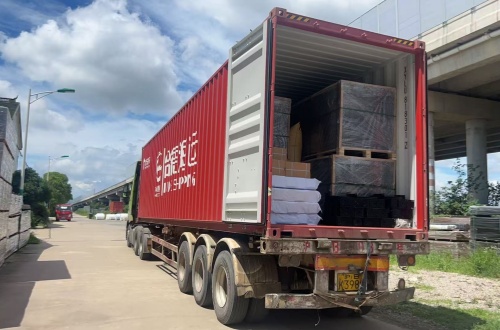
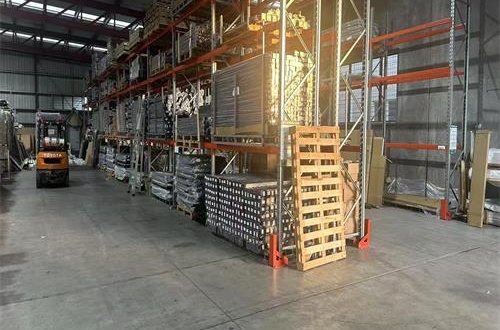
Exporting to Australia: Challenges and Solutions
Common Challenges
- Strict Biosecurity and Quarantine Rules
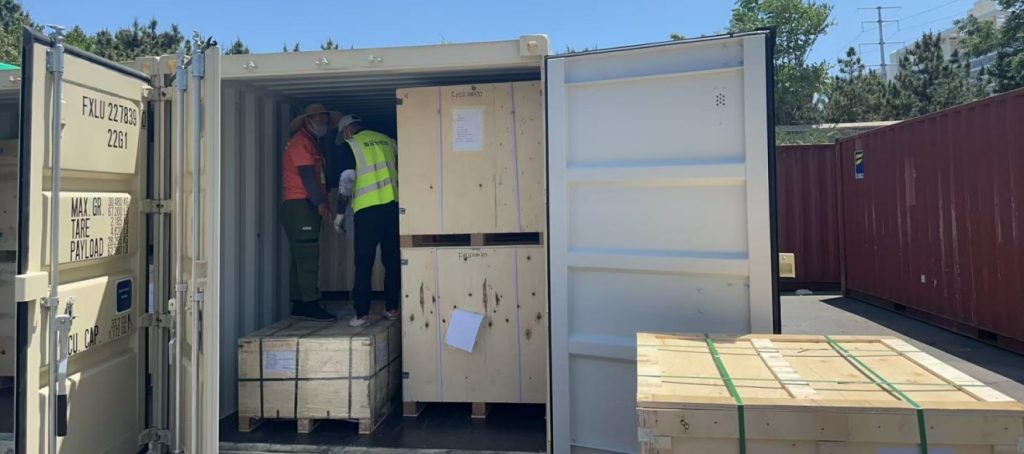
Australia enforces rigorous biosecurity standards, especially for wooden packaging, textiles, and machinery. - Product Compliance and Standards
Electrical, medical, and consumer products must comply with Australian standards (RCM, AS/NZS).
Solutions
- Gunakan ISPM 15-compliant packaging for wooden pallets
- Perilaku pre-shipment inspections
- Obtain RCM certification for electronics
- Work with Australian customs brokers early in the process
Exporting to the United States: Challenges and Solutions
Common Challenges
- Tariffs and Trade Policies
US-China trade tensions have resulted in additional tariffs under Section 301. - Labeling and Traceability Requirements
The US enforces strict country-of-origin marking laws. - Product Safety Regulations
Agencies such as the FDA, FCC, and CPSC impose extensive compliance requirements.
Solutions
- Accurately calculate and plan for tariff costs
- Pastikan permanent and legible origin marking
- Obtain necessary certifications (FCC, FDA registration, UL testing)
- Maintain clear supply chain documentation
Exporting to Europe: Challenges and Solutions
Common Challenges
- CE Marking and Technical Documentation
Many products require CE certification, technical files, and declarations of conformity. - Environmental Regulations
EU regulations such as RoHS, REACH, and WEEE are complex and frequently updated. - Customs and VAT Compliance
Solutions
- Prepare a complete CE technical file
- Perilaku RoHS and REACH testing
- Appoint an EU Authorized Representative
- Use IOSS or local VAT registration when required
Exporting to the Middle East: Challenges and Solutions
Common Challenges
- Country-Specific Certification
Different countries (UAE, Saudi Arabia, Qatar) have unique conformity requirements. - Arabic Labeling Requirements
Many products must include Arabic instructions or labels. - Customs Clearance Delays
Solutions
- Obtain certifications such as SABER (Saudi Arabia) atau ECAS (UAE)
- Pastikan bilingual packaging and manuals
- Partner with experienced regional freight forwarders
- Pre-verify HS codes and documentation
Best Practices for Exporting Made in PRC Products Globally
To succeed in international markets, exporters should adopt the following strategies:
- Perilaku market-specific compliance research
- Work with local agents or consultants
- Implement robust quality control systems
- Maintain transparent supply chain documentation
- Clearly communicate product origin to avoid disputes
Kesimpulan
“Made in PRC” is not a lesser or misleading label—it is simply a formal designation for products manufactured in the People’s Republic of China. While it may differ in perception from “Made in China,” both terms carry the same legal meaning and customs treatment.
The true challenges lie not in the label itself, but in navigating complex international regulations, compliance requirements, and market expectations. By understanding regional differences and applying targeted solutions for Australia, the United States, Europe, and the Middle East, exporters can confidently expand their global footprint.
With proper planning, compliance, and quality assurance, Made in PRC products can compete successfully in any international market.