When shipping internationally, understanding the freight forwarding process is essential for smooth and cost-effective logistics. This article outlines each step of the freight forwarding procedure and explains how BRF SHIPPING GROUP helps businesses navigate global supply chains efficiently.
What Is Freight Forwarding?
Freight forwarding involves organizing and managing the transportation of goods from origin to destination. A freight forwarder coordinates multiple services, including documentation, customs clearance, warehousing, and shipping, to ensure your cargo moves seamlessly.
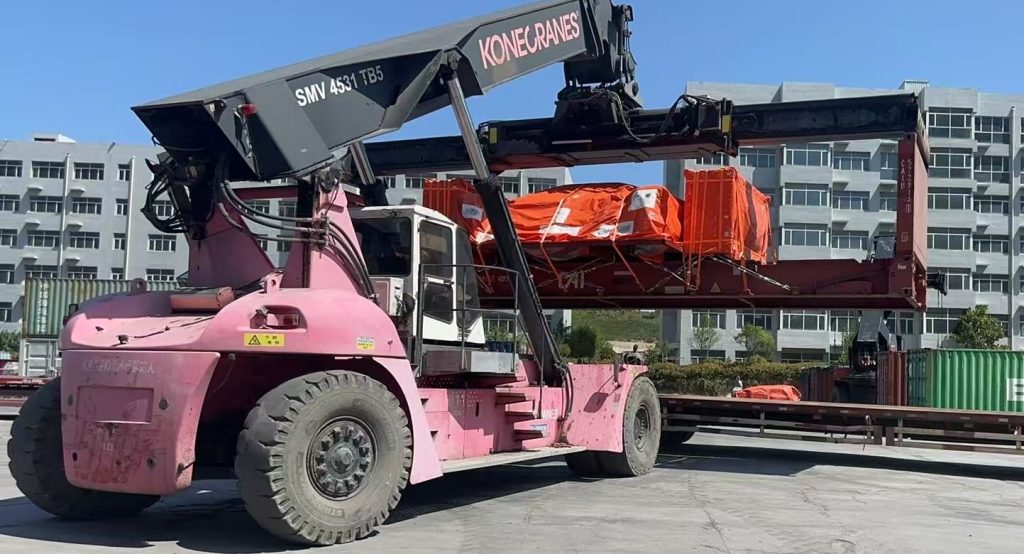
Step-by-Step Freight Forwarding Procedures
1. Inquiry and Quotation
The process begins when the shipper provides shipment details (cargo type, volume, destination) to the freight forwarder. The forwarder then offers a detailed quote, including freight charges, documentation, customs fees, and transit time.
2. Booking and Cargo Preparation
Once the quote is accepted, the forwarder books cargo space with airlines, shipping lines, or trucking companies. The shipper prepares the goods, ensuring correct packaging, labeling, and compliance with international shipping standards.
3. Export Documentation
Different documents are required for freight forwarding, you have to prepare these on time. Different countries require different papers and certificates but the information required is almost the same.
The difference usually occurs in the document format according to the requirements of different countries. Some of the paperwork is also necessary to get further things done. Key export documents include:
Faktur Komersial
Daftar Barang yang Dibawa
Surat Muatan (B/L)
Export License (if required)
Sertifikat Asal
BRF SHIPPING GROUP assists clients in preparing and verifying all necessary documents to prevent delays.
4. Cargo Pickup and Inland Transportation
Yang perusahaan pengiriman barang arranges pickup from the supplier’s warehouse and transportation to the port of departure or airport. This stage may involve trucking or rail services.
5. Customs Clearance at Origin
Now it’s time to submit all the documents to customs authorities required for the clearance of product export. These documents have all the necessary information about the product and your legal license required for the export.
Now, online portals for custom clearance have been developed in some countries to speed up the process.
Usually, custom brokers handle the documentation process and submit them to customs. Freight forwarding companies also provide this service.
The custom agent also checks the items and their packaging to ensure that the export product meets the legal requirements. They evaluate the product value and calculate tariffs or taxes that should be paid before the exportation.
After the verification of documents and submission of the taxes, your shipment is ready to leave the origin country.
6. International Shipping
The cargo is shipped via sea, air, or land. During transit, BRF SHIPPING GROUP provides real-time tracking and updates on your shipment status.
Once customs clearance is complete, the freight forwarder arranges last-mile delivery to the consignee’s location. This could be a distribution center, warehouse, or retail store.
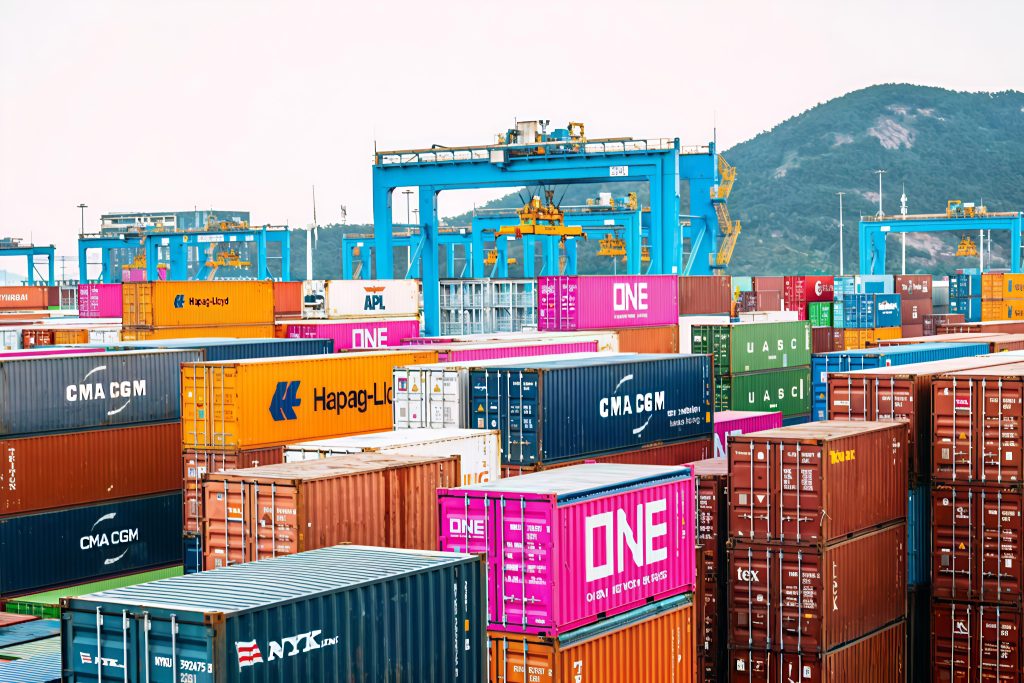
7. Customs Clearance at Destination
In this step, the required documents must be submitted to the customs authorities of the destination country for the import of cargo. These documents are usually the same as those required for export clearance. The freight forwarders or customs brokers compile and submit all the papers to the official authorities.
Note: This process usually starts before the shipment arrives in the destination country to ensure smooth import of goods.
8. Final Delivery
Why Choose BRF SHIPPING GROUP?
Experienced Global Network – Seamless door-to-door logistics across major trade lanes.
Keahlian di Bidang Kepabeanan – Minimize delays with our knowledgeable customs handling.
Pelacakan Pengiriman Secara Real-Time – Transparent updates for every stage of your shipment.
Tailored Solutions – We design solutions to fit your cargo type, timeline, and budget.
FAQ – Freight Forwarding Procedures
Q1: Do I need a freight forwarder for international shipping?
Yes. A freight forwarder simplifies the complex logistics process, reduces risk, and ensures regulatory compliance.
Q2: What modes of transport do freight forwarders handle?
Sea freight, air freight, rail, and trucking—often as part of a multimodal solution.
Q3: How long does freight forwarding take?
Transit time depends on the mode of transport, distance, and customs clearance efficiency. Sea freight may take weeks; air freight takes days.
Need help with your next shipment?
Hubungi Kami BRF SHIPPING GROUP today for professional freight forwarding support.