Navigating international customs can feel like deciphering a secret code. For businesses shipping Pengiriman Kurang dari Satu Kontainer (LCL), where your cargo shares space with other shipments, accuracy is non-negotiable. At the heart of this process is the Harmonized System (HS) Code.
Misclassifying your goods can lead to costly delays, hefty fines, and even seized shipments. This guide will demystify the HS Code, providing a clear, step-by-step process to ensure your LCL shipments are compliant, efficient, and cost-effective.
What is an HS Code
HS code, or Harmonized System codes, is internationally standardized numerical codes developed by the World Customs Organization (WCO). It’s a 6- to 10-digit number used to classify traded products. The first six digits are universal across all member countries, while subsequent digits are country-specific.For instance, a shipment of textiles will have a specific HS code that denotes its type, material, and intended use.
For businesses working with freight forwarders, these codes play a pivotal role in ensuring accurate customs documentation, determining sea freight rates, and avoiding delays in shipping cargo.
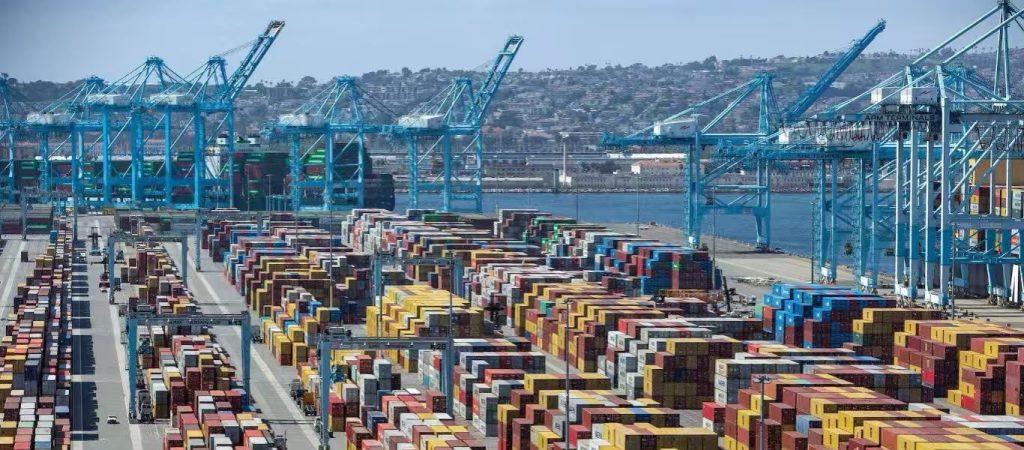
Why HS Codes Are Important for LCL Shipping
For LCL shipments, the HS Code is especially critical. Because your goods are consolidated with others, any error in one shipment can potentially delay the entire container. Here’s why getting it right matters:
· Smooth Customs Clearance: It determines import duties, taxes, and your product’s admissibility.
· Trade Compliance: It identifies products subject to restrictions, quotas, or licenses.
· Risk Management: Accurate codes prevent customs holds, examinations, and penalties.
· Supply Chain Efficiency: Correct codes ensure smooth transit from origin to destination.
A Step-by-Step Guide to Finding Your HS Code
Follow this structured approach to accurately classify your products.
Step 1: Understand the HS Code Structure
An HS Code is not a random string of numbers. Its structure is logical and hierarchical:
· Chapter (First 2 digits): Identifies the broad product category (e.g., 09 = Coffee, Tea, Spices).
· Heading (Next 2 digits): Specifies the product group within the chapter (e.g., 09.02 = Tea).
· Subheading (Final 2 digits): Defines the specific product (e.g., 09.02.10 = Green tea).
· Country-Specific Digits (7+ digits): These are assigned by individual countries for further classification and tariff rates.
Step 2: Gather Detailed Product Information
You cannot classify what you don’t understand. Gather precise details about your product:
· Name: What is the common commercial name?
· Composition: What is it made of? (e.g., 100% cotton, 80% steel/20% plastic)
· Function: What is its primary purpose? (e.g., for cutting, for entertainment, for medical use)
· Form: Is it a liquid, powder, finished good, or part?
· Manufacturing Process: How was it made?
Step 3: Consult the Official HS Nomenclature
Start with the WCO’s official HS Nomenclature or your country’s customs tariff database (e.g., the U.S. Harmonized Tariff Schedule (HTSUS) or the UK Integrated Online Tariff). Use the search function with keywords from your product information.
Pro Tip: Begin with a broad search term and narrow it down. Don’t just pick the first result that seems close; read the accompanying legal notes for each chapter and heading, as they contain critical exclusion and inclusion rules.
Step 4: Apply the General Rules of Interpretation (GRI)
The GRI are six legal rules that provide a framework for classification. They are applied in order.
· GRI 1: Classify based on the wording of the headings and any relevant section or chapter notes.
· GRI 2(a): Covers incomplete or unfinished goods that have the essential character of the complete product.
· GRI 2(b): Covers mixtures and combinations of materials.
· GRI 3: Used when a product seems to fit under two headings, based on the most specific description, essential character, or the heading that comes last numerically.
· GRI 4, 5, 6: Provide further guidance on containers, packaging, and legal definitions.
For most standard products, GRI 1 is sufficient. For complex or composite goods, you may need to proceed to GRI 3.
Step 5: Verify with a Customs Expert or Broker
When in doubt, ask an expert. Licensed customs brokers are specialists in tariff classification. For high-value shipments, complex products, or if you’re facing an audit, their guidance is invaluable and can save you from significant future costs.
Step 6: Document and Record Your Decision
Once you’ve determined the correct HS Code, document the process. Keep a record of the product description, the code chosen, and the rationale behind the decision (e.g., which GRI was applied). This creates an audit trail for customs authorities and ensures consistency for future shipments.

Common Pitfalls to Avoid with LCL HS Codes
· Assuming Similar Products Have the Same Code: A “plastic chair” for outdoor use (HS 94.03) is different from a “plastic chair” for office use (HS 94.01).
· Using a Competitor’s or Supplier’s Code Blindly: Their classification may be incorrect or specific to a different country’s rules.
· Ignoring Updates: The HS Code system is updated every 5-6 years. Ensure you are using the most current version.
· Classifying Based on Intended Use Over Objective Characteristics: Customs classification is based on what the product is, not what you plan to do with it.
Final Word: Accuracy is Everything
Decoding HS Codes is a fundamental skill for any international shipper using LCL services. Taking the time to classify your goods correctly is not a bureaucratic hurdle—it’s a strategic business practice that protects your bottom line, ensures supply chain reliability, and builds your reputation as a compliant trader.
By following this step-by-step guide, you can approach customs classification with confidence, turning a potential obstacle into a seamless step in your global trade journey.
Ready to ship? Always double-check your codes and partner with a knowledgeable freight forwarder who can provide expert guidance for your LCL shipments.