U.S. Customs Inspection: What You Need to Know
When importing goods into the United States, one of the key steps in the process is U.S. Customs clearance. This involves various checks and inspections to ensure compliance with U.S. regulations. Whether you’re a first-time importer or an experienced business owner, understanding how the customs inspection process works can save you time and avoid costly delays.
In this article, we’ll guide you through the U.S. Customs inspection process, including what happens during inspection, what triggers a customs hold, and how you can prepare your shipments to pass through smoothly.
1. What Is U.S. Customs Inspection?
Customs inspection is a process carried out by the U.S. Customs and Border Protection (CBP) to verify the goods entering the country meet the required regulations and safety standards. The inspection involves checking the cargo for compliance with U.S. laws, which may include tariffs, regulations on banned or restricted goods, and the accuracy of import documentation.
2. Why Does U.S. Customs Inspect Shipments?
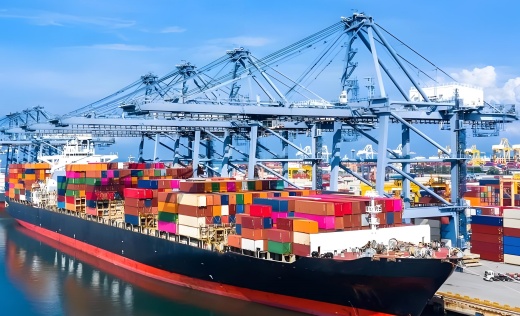
Customs inspections are necessary to prevent the illegal importation of prohibited goods such as counterfeit products, controlled substances, or items that don’t meet U.S. safety standards. The U.S. Customs clearance process also ensures that the correct tariffs and duties are applied to the shipment.
Some reasons a shipment may be inspected include:
Random inspection: Not all shipments are inspected, but random checks are common.
Risk profiling: Shipments that are flagged due to previous violations or issues may be selected for further inspection.
Documentation discrepancies: If there are inconsistencies in the documentation or the value of the goods, customs may choose to inspect the shipment.
Suspicious cargo: Shipments containing high-risk goods or flagged for potentially dangerous or illegal items.
3. Types of U.S. Customs Inspections
Customs inspections can vary in scope, and there are several types of inspections that CBP may conduct:
Document Review: The simplest form of inspection, where CBP checks the paperwork to ensure that everything is in order (e.g., invoices, packing lists, certificates of origin).
Non-Intrusive Inspection (NII): This involves the use of technology, such as X-rays or Gamma rays, to scan the cargo for illegal goods or discrepancies without opening the containers.
Physical Inspection: The most thorough inspection where CBP officers open and examine the cargo, especially if there are concerns about the contents.
Canine Inspection: Specially trained dogs may be used to detect drugs, explosives, or other illicit substances hidden in cargo.
4. The Customs Hold: How It Affects Your Shipment
When goods are flagged by customs, they may be placed on a customs hold. This means your shipment will be detained until a proper review can be conducted. A customs hold can be triggered for several reasons:
Incorrect or missing paperwork
Value discrepancies
Suspicious cargo
Non-compliance with U.S. safety regulations
If your shipment is placed on hold, it’s important to act quickly to resolve the issue, as delays can incur extra storage fees and increase the time your goods spend in customs.
5. How to Avoid Customs Inspection Delays
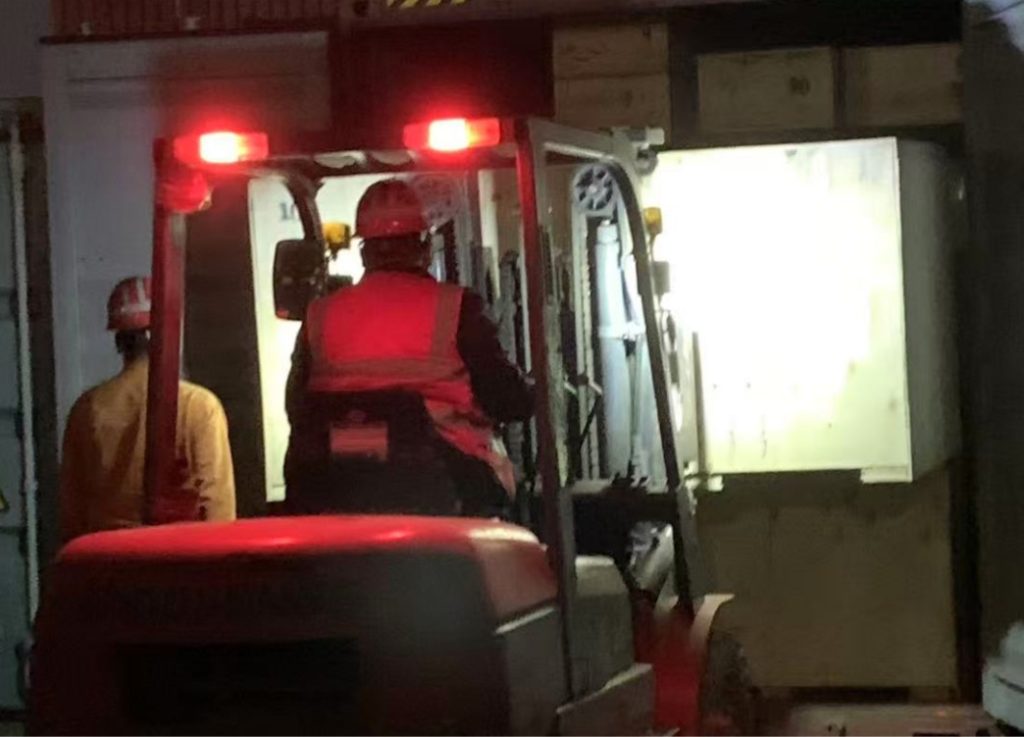
While not all inspections can be avoided, you can minimize the risk of delays by taking the following steps:
Ensure Correct Documentation: Double-check all import documents, including invoices, packing lists, and certificates of origin. Inaccurate or missing paperwork is one of the most common reasons for delays.
Comply with U.S. Regulations: Make sure your goods meet U.S. standards and regulations, especially if you’re importing regulated or restricted items.
Work with a Customs Broker: A licensed agen bea cukai can help you navigate the complexities of U.S. customs and ensure your shipment is properly cleared.
Provide Accurate Valuation: Be transparent about the value of your goods. Over- or under-valuing items can raise red flags.
Pre-Arrival Processing: Ensure that the Import Security Filing (ISF) is filed on time and in compliance with the CBP regulations.
6. What Happens After a Successful Customs Inspection?
Once your goods have passed the inspection, they will be cleared for entry into the U.S. Customs will release the shipment, allowing it to proceed to its final destination. Depending on the nature of the goods and the terms of the shipping contract, the goods may be subject to final delivery procedures, including any duties or tariffs owed.
Understanding the U.S. Customs inspection process is essential for a smooth import experience. By ensuring all your documents are in order, complying with U.S. regulations, and working with a reliable customs broker, you can minimize delays and avoid unexpected costs. Always be prepared for inspections, as they are a routine part of the customs clearance process.